
Crowns
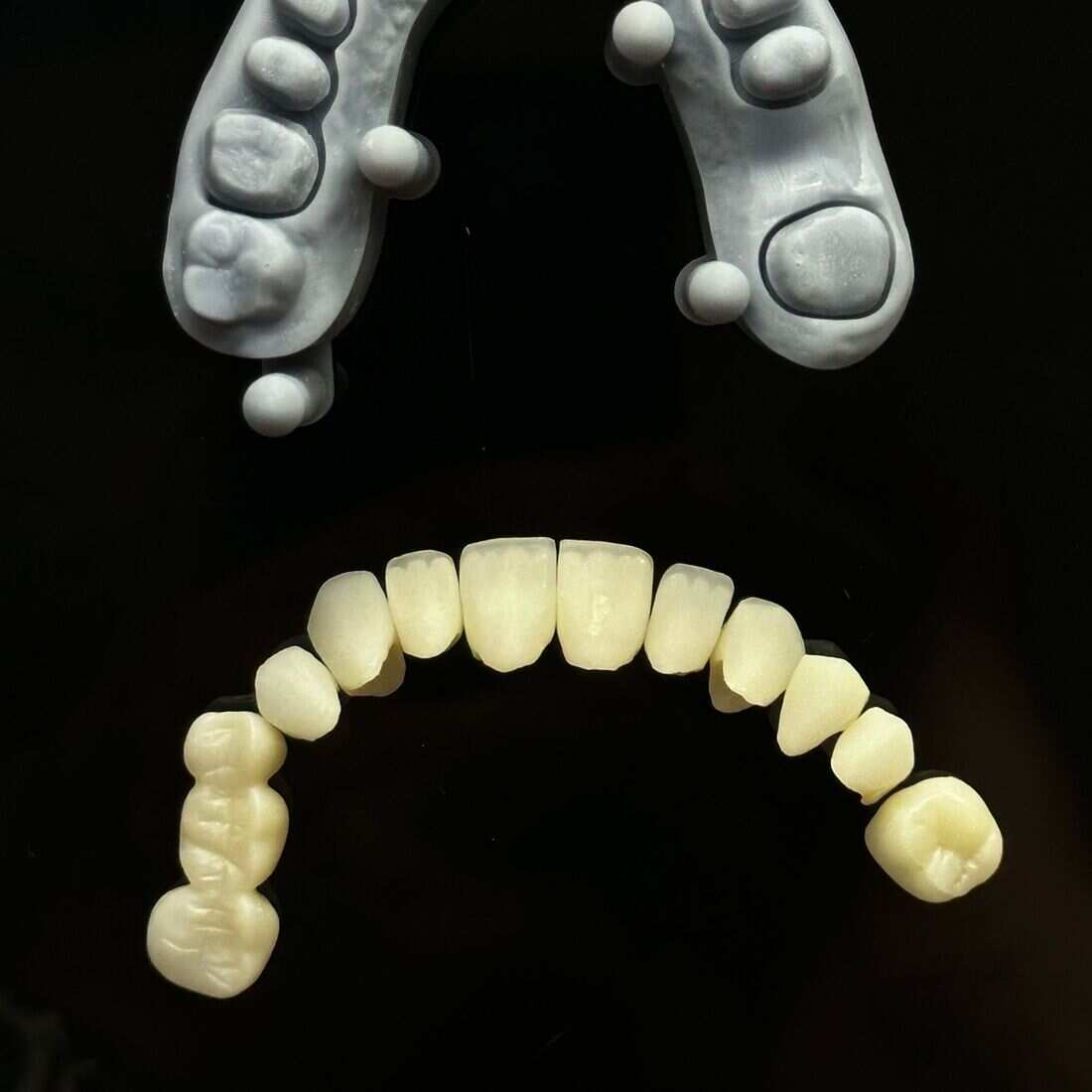
A crown restores a broken-down tooth, seals a crack, protects a weakened tooth, supports a tooth that's had root canal treatment, or covers a discolored or misshapen tooth. After the tooth is reduced and an impression is taken, a temporary crown is worn while a custom permanent crown — fabricated from porcelain, cast gold, or a combination of the two — is made and then cemented into place at a follow-up visit.
Why Choose Crowns
-
Restores the strength and shape of a tooth that's cracked, broken down, or heavily filled.
-
Protects a tooth that's had root canal treatment and is more prone to fracture.
-
Covers a discolored or misshapen tooth so it blends naturally with the rest of your smile.
-
Lets you chew and bite normally again without favoring or protecting the tooth.
-
Custom-made to fit your bite, so it feels like part of your natural teeth rather than an add-on.
Your Options
Porcelain
Porcelain crowns are matched to the color of your surrounding teeth, so they're the most natural-looking option — a common choice for front teeth or anywhere visible when you smile. They hold up well under normal biting forces, though they can be more prone to chipping than metal under heavy grinding or clenching.
Cast Gold
Gold crowns are known for their strength and longevity, and they're gentle on the opposing teeth they bite against. Because of the metallic color, they're generally used on back molars where they won't show when you smile.
Porcelain-Fused-to-Metal
This option combines a metal base for strength with a porcelain outer layer for a tooth-colored appearance, giving you a middle ground between the esthetics of all-porcelain and the durability of gold. It's a versatile choice Dr. Cianciulli and Dr. Rossi can recommend based on the location and condition of the tooth.
What to Expect
- 1
Tooth Reduction & Impression
The tooth is gently reshaped to make room for the crown, then an impression is taken to capture its exact shape and how it fits with your bite.
- 2
Temporary Crown
A temporary crown is placed over the reduced tooth to protect it and keep you comfortable while your permanent crown is being made.
- 3
Lab Fabrication
Your custom crown is fabricated from porcelain, cast gold, or a combination of the two, built to match the shape, size, and color your tooth needs.
- 4
Permanent Cementation
At a follow-up visit, the temporary crown is removed and the permanent one is checked for fit and bite before being cemented securely in place.
Paying for Your Care
Cost varies based on your specific treatment plan, and we're happy to walk through your options before you commit to anything. We work with most major insurance plans and offer payment arrangements to help make care manageable.
See Financial & Insurance Information →Aftercare & Maintenance
-
Brush and floss around the crown just as you would your natural teeth, paying attention to the gumline where the crown meets the tooth.
-
Avoid biting down on very hard foods like ice or hard candy, which can chip or crack a crown over time.
-
Steer clear of sticky or chewy foods that can tug at the crown, especially in the first few days after cementation.
-
Keep up with regular checkups so we can make sure the crown and the tooth underneath stay healthy.
Why Choose Waterford Dental Associates
Decades of Experience
Dr. Vincent Cianciulli and Dr. Jacqueline Rossi bring decades of combined clinical experience to every appointment.
Comprehensive Family Care
From preventive checkups to specialized treatment, your whole family's care can stay in one convenient Waterford location.
Individualized Treatment Planning
There's no one-size-fits-all approach here — every treatment plan is built around you.
A Comfortable Visit
A friendly atmosphere and a long-tenured team who know our patients well, visit after visit.
Frequently Asked Questions
How long does a crown typically last?
With good home care and regular checkups, a well-fitted crown can last many years. How long yours lasts depends on factors like the material chosen, your bite, and habits like grinding or clenching.
Dr. Cianciulli and Dr. Rossi will check your crown at your regular visits to catch any wear or issues early.
Will my crown look natural?
Yes. Porcelain and porcelain-fused-to-metal crowns are shaded and shaped to blend in with your surrounding teeth, so most people won't notice you have one at all.
If your crown is on a back molar where esthetics matter less, cast gold may be recommended instead for its strength.
Is getting a crown painful?
The area is numbed before the tooth is reshaped, so the procedure itself is generally comfortable. It's normal for the tooth to feel a little sensitive for a few days afterward, especially to temperature.
If you have any concerns about discomfort, let us know beforehand and we'll talk through what to expect.
What should I do if my temporary crown feels loose?
A temporary crown is meant to hold you over until your permanent one is ready, and it's not unusual for it to feel a little less secure than a permanent crown. If it feels loose, comes off, or causes discomfort, call our office at (860) 444-0625 so we can take a look before your next scheduled visit.
Ready to Schedule Your Visit?
Book online in minutes, or give us a call — we're happy to help.