
Endodontics (Root Canal)
Endodontic (root canal) therapy treats infection or damage inside the soft pulp tissue at the center of a tooth — the nerves and blood vessels that run through canals in the tooth's root. When that tissue becomes infected or inflamed from a deep cavity, a crack, or trauma, root canal therapy removes it and seals the cleaned canals, saving a tooth that would otherwise need to be extracted.
Why Choose Endodontics (Root Canal)
-
Saves your natural tooth instead of removing it, so your bite and jawbone stay supported the way they were designed to.
-
Clears out the infection at its source, stopping pain and preventing it from spreading to surrounding gum tissue and bone.
-
Relieves the deep, lingering ache that comes from inflamed or infected pulp.
-
Avoids the extra steps and cost of an extraction followed by a bridge, implant, or partial to replace the missing tooth.
-
Lets you keep chewing, speaking, and smiling with a tooth that's your own.
Is Endodontics (Root Canal) Right for You?
A few warning signs usually show up when the pulp inside a tooth is infected or damaged. If any of these sound familiar, it's worth having the tooth checked.
-
Sensitivity to hot or cold that lingers well after the food or drink is gone
-
Pain that comes on its own, without any triggers, or throbs at night
-
Swelling or tenderness in the gum near a specific tooth
-
A tooth that has started to darken compared to the ones next to it
-
Pain when biting down or chewing on one side
Root canal therapy has a reputation it doesn't deserve — with today's anesthesia, treatment feels about the same as getting a filling.
What to Expect
- 1
Exam & Diagnosis
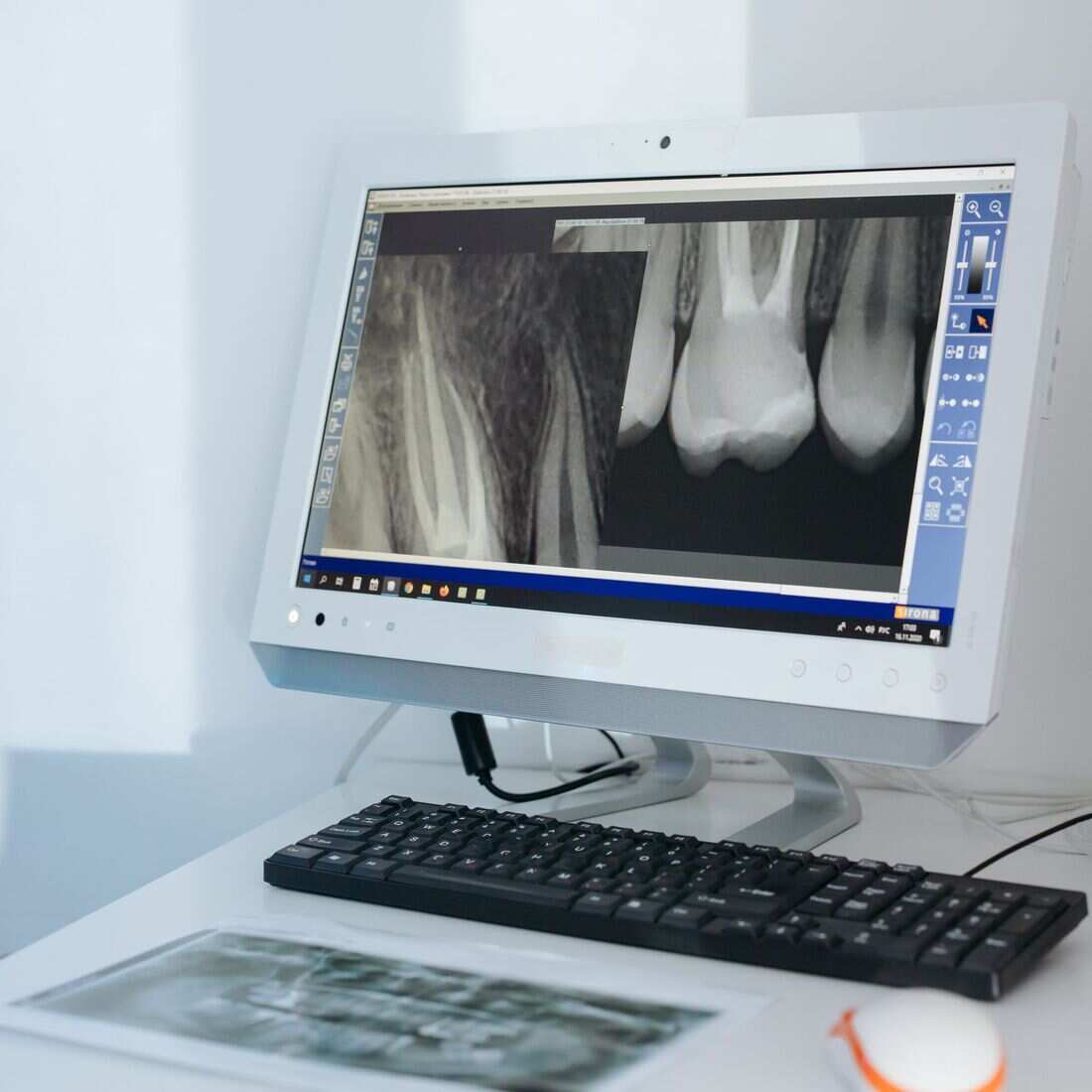
Dr. Cianciulli or Dr. Rossi examines the tooth and takes an X-ray to confirm the infection is in the pulp and to map the shape of the root canals.
- 2
Local Anesthesia & Access
The area is numbed, and a small opening is made in the top of the tooth to reach the pulp chamber underneath.
- 3
Cleaning & Shaping the Canals
The infected or damaged tissue is removed, and the canals are cleaned and shaped with fine instruments to prepare them for filling.
- 4
Filling & Sealing
Once the canals are clean, they're filled with a biocompatible material and sealed to keep bacteria from getting back in.
- 5
Crown or Restoration Follow-Up
A tooth that's had a root canal can become more brittle over time, so a crown or other restoration is usually placed afterward to protect it for everyday chewing.
Paying for Your Care
Cost varies based on your specific treatment plan, and we're happy to walk through your options before you commit to anything. We work with most major insurance plans and offer payment arrangements to help make care manageable.
See Financial & Insurance Information →Aftercare & Maintenance
-
Avoid chewing on the treated tooth until any temporary filling is replaced with a permanent crown or restoration.
-
Brush and floss normally, being gentle around the treated tooth while it heals.
-
Call the office if pain, swelling, or pressure returns or gets worse in the days after treatment.
Why Choose Waterford Dental Associates
Decades of Experience
Dr. Vincent Cianciulli and Dr. Jacqueline Rossi bring decades of combined clinical experience to every appointment.
Comprehensive Family Care
From preventive checkups to specialized treatment, your whole family's care can stay in one convenient Waterford location.
Individualized Treatment Planning
There's no one-size-fits-all approach here — every treatment plan is built around you.
A Comfortable Visit
A friendly atmosphere and a long-tenured team who know our patients well, visit after visit.
Frequently Asked Questions
Does a root canal hurt?
Not while it's happening — the tooth and surrounding area are numbed with local anesthesia, so treatment feels similar to getting a filling.
It's normal to have some soreness for a day or two afterward, which usually responds well to an over-the-counter pain reliever.
How long does recovery take?
Most patients return to work, school, and normal eating the same day, once the numbness wears off.
Any mild soreness around the tooth typically fades within a few days.
Will I need a crown after my root canal?
In most cases, yes — especially for back teeth that do a lot of chewing. Removing the pulp can leave a tooth more brittle, so a crown protects it from cracking under normal biting pressure.
We'll let you know during your visit whether a crown or a smaller restoration makes sense for your tooth.
How many appointments does root canal therapy take?
It depends on the tooth. Many root canals are completed in a single visit, though teeth with more complex root canals — or significant infection — may need a second appointment.
Ready to Schedule Your Visit?
Book online in minutes, or give us a call — we're happy to help.