
Implants
A dental implant is a titanium post that acts as an artificial tooth root, surgically placed in the jawbone. Once it has fused with the bone, an abutment attached to the implant supports a replacement tooth, bridge, or denture. Because an implant doesn't rely on neighboring teeth for support the way a bridge does, it looks and functions more like a natural tooth and is easier to keep clean.
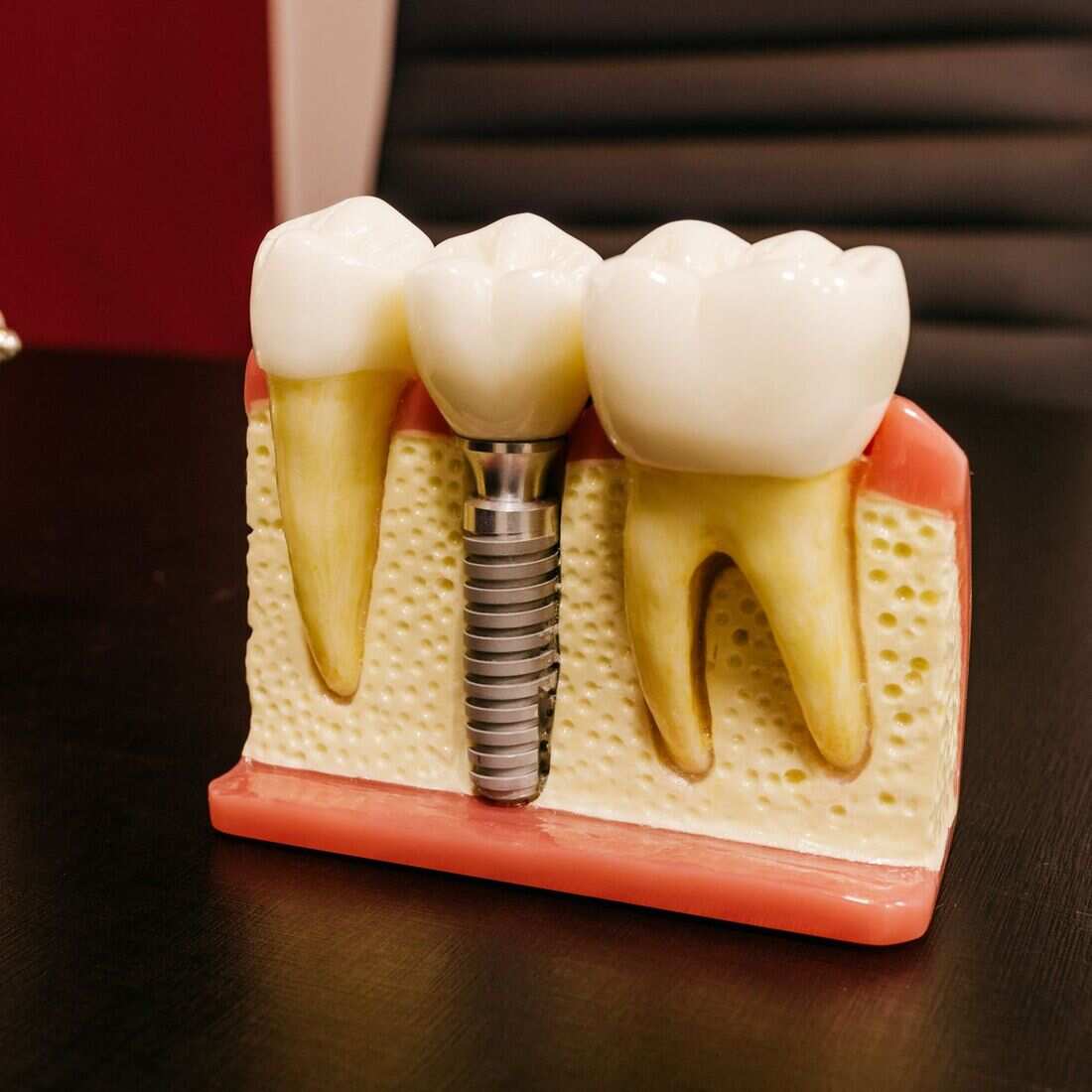
Why Choose Implants
-
Implants stand on their own, so healthy neighboring teeth don't need to be reshaped or relied on for support.
-
Because the implant replaces the tooth root, it helps maintain the jawbone that can shrink after a tooth is lost.
-
Fits and functions similarly to a natural tooth, making it comfortable to eat and speak with.
-
Easy to clean with normal brushing and flossing, since there's no bridge structure to navigate around.
-
With proper care, an implant is meant to be a long-term solution rather than something you'll need to replace often.
Is Implants Right for You?
Most adults who are missing one or more teeth and are in good general health are candidates for an implant. Dr. Cianciulli or Dr. Rossi will confirm candidacy with an exam and imaging before recommending treatment.
-
Enough jawbone density in the area to support and anchor the implant
-
Good general health and healthy gums, with no untreated gum disease
-
Non-smoker, or willing to quit, since smoking can slow healing and affect long-term success
-
One or more missing teeth that need to be replaced
If bone density is lower than ideal, that doesn't necessarily rule out an implant — Dr. Cianciulli and Dr. Rossi can evaluate whether building up the bone beforehand is a good option for you.
What to Expect
- 1
Consultation & Imaging
Your first visit includes an exam and imaging of your jaw to check bone density and plan exactly where the implant will go.
- 2
Implant Placement
The titanium implant post is placed into the jawbone in a minor surgical procedure, usually with local anesthesia.
- 3
Healing & Osseointegration
Over the next few months, the bone gradually fuses to the implant, creating a stable foundation for the new tooth.
- 4
Abutment & Crown Placement
Once healing is complete, an abutment is attached to the implant and a custom crown is placed on top to complete the restoration.
- 5
Follow-Up Care
We check the fit, bite, and health of the surrounding gum tissue at a follow-up visit, then monitor the implant at your regular dental checkups.
Paying for Your Care
Cost varies based on your specific treatment plan, and we're happy to walk through your options before you commit to anything. We work with most major insurance plans and offer payment arrangements to help make care manageable.
See Financial & Insurance Information →Aftercare & Maintenance
-
Brush and floss around the implant just as you would a natural tooth to keep the surrounding gum tissue healthy.
-
Keep up with routine cleanings and checkups so we can monitor the implant and catch any issues early.
-
During the healing period, avoid chewing hard foods or putting excessive pressure on the implant site.
-
Let us know if you notice looseness, discomfort, or swelling around the implant so it can be checked promptly.
Why Choose Waterford Dental Associates
Decades of Experience
Dr. Vincent Cianciulli and Dr. Jacqueline Rossi bring decades of combined clinical experience to every appointment.
Comprehensive Family Care
From preventive checkups to specialized treatment, your whole family's care can stay in one convenient Waterford location.
Individualized Treatment Planning
There's no one-size-fits-all approach here — every treatment plan is built around you.
A Comfortable Visit
A friendly atmosphere and a long-tenured team who know our patients well, visit after visit.
Frequently Asked Questions
How long does the dental implant process take?
The full process typically spans several months from start to finish, since the bone needs time to fuse with the implant before the final crown is placed.
Your exact timeline depends on your healing and whether any additional preparation, like bone grafting, is needed.
Is getting a dental implant painful?
Implant placement is a minor surgical procedure typically done with local anesthesia, and most patients report only mild discomfort afterward that's manageable with over-the-counter pain relief.
Dr. Cianciulli and Dr. Rossi will go over what to expect for your specific case during your consultation.
How is a dental implant different from a bridge or denture?
A bridge relies on the teeth next to the gap for support, and a removable denture rests on the gums rather than attaching to the jawbone.
An implant stands on its own and is anchored directly in the jawbone, so it doesn't put extra strain on neighboring teeth and tends to feel and function more like a natural tooth.
What if I don't have enough jawbone for an implant?
Lower bone density doesn't automatically rule out an implant. During your evaluation, Dr. Cianciulli or Dr. Rossi can discuss whether building up the bone beforehand is a good option for you.
How long do dental implants last?
With good oral hygiene and regular checkups, an implant can last for many years and is meant to be a long-term replacement rather than something you'll need to redo often.
Keeping up with your normal brushing, flossing, and dental visits is the best way to help it last.
Ready to Schedule Your Visit?
Book online in minutes, or give us a call — we're happy to help.