
Tooth Extraction
When a tooth can't be saved by restorative treatment, it may need to be extracted. Routine extractions are performed in-office under local anesthetic, with nitrous oxide available for anxious patients, and more complex cases — such as impacted teeth — are referred to an oral surgeon for specialized care.
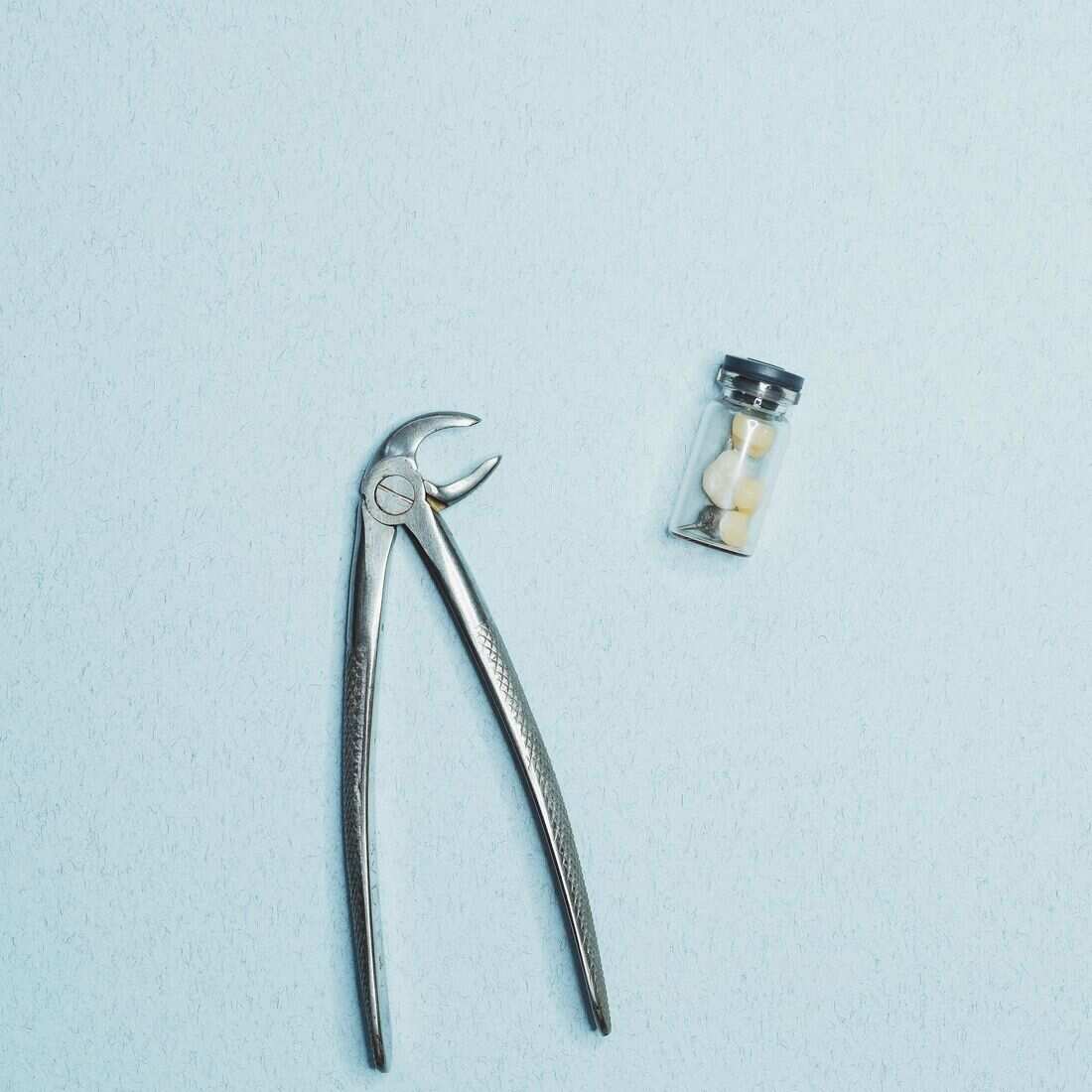
Why Choose Tooth Extraction
-
Comfort-focused approach using local anesthetic so the procedure itself is pain-free.
-
Nitrous oxide is available if you feel anxious about dental work and want extra help relaxing.
-
Routine extractions are handled right here in our Waterford office, so you're not sent elsewhere for a simple procedure.
-
We've built relationships with trusted oral surgeons for impacted teeth and other complex cases that need specialized care.
-
We'll talk through your tooth replacement options with you if you decide to fill the gap afterward.
Is Tooth Extraction Right for You?
Extraction becomes the right option when a tooth is too damaged, infected, or crowded for other treatments to save it. It's typically a last step, not a first one.
-
Severe decay or a fracture that has destroyed too much of the tooth to support a filling or crown
-
Advanced gum disease that has loosened a tooth beyond saving
-
Impacted wisdom teeth causing pain, infection, or crowding
-
Overcrowding that needs to be relieved as part of orthodontic treatment
We only recommend extraction after we've ruled out fillings, root canals, and other ways to save the natural tooth.
Your Options
Routine Extraction
Most extractions are performed right in our office using local anesthetic to fully numb the area, with nitrous oxide available if you'd like extra help staying relaxed.
Surgical / Referred Extraction
Impacted teeth and other complex cases are referred to a trusted oral surgeon who has the specialized training and equipment for a safe, smooth procedure.
What to Expect
- 1
Exam & Imaging
We examine the tooth and take X-rays to see its position and the condition of the surrounding bone before deciding on the best approach.
- 2
Anesthesia & Comfort Options
Local anesthetic fully numbs the area, and nitrous oxide is available if you'd like extra help feeling calm during the visit.
- 3
The Extraction
The tooth is gently loosened and removed. Most routine extractions take just a few minutes once the area is numb.
- 4
Aftercare & Follow-Up
Before you leave, we'll walk you through how to care for the site while it heals and let you know if a follow-up visit is needed.
Paying for Your Care
Cost varies based on your specific treatment plan, and we're happy to walk through your options before you commit to anything. We work with most major insurance plans and offer payment arrangements to help make care manageable.
See Financial & Insurance Information →Aftercare & Maintenance
-
Bite down gently on gauze for the first hour or so to help a blood clot form at the site.
-
Avoid straws, smoking, and vigorous rinsing for a few days so you don't dislodge the clot.
-
Stick to soft foods and lukewarm liquids while the area is tender.
-
Call us if you notice increasing pain, swelling, or a bad taste — these can be signs of dry socket or infection.
Why Choose Waterford Dental Associates
Decades of Experience
Dr. Vincent Cianciulli and Dr. Jacqueline Rossi bring decades of combined clinical experience to every appointment.
Comprehensive Family Care
From preventive checkups to specialized treatment, your whole family's care can stay in one convenient Waterford location.
Individualized Treatment Planning
There's no one-size-fits-all approach here — every treatment plan is built around you.
A Comfortable Visit
A friendly atmosphere and a long-tenured team who know our patients well, visit after visit.
Frequently Asked Questions
Does getting a tooth pulled hurt?
No — the area is fully numbed with local anesthetic before we begin, so you shouldn't feel pain during the procedure, though you may notice some pressure.
It's normal to have some soreness for a day or two afterward, which is usually manageable with over-the-counter pain relievers.
How long does it take to heal after an extraction?
The gum tissue at the extraction site typically closes up within a week or two, though the underlying bone continues to heal for longer.
Following our aftercare instructions closely in the first few days makes a big difference in how smoothly healing goes.
What is dry socket, and how do I avoid it?
Dry socket happens when the blood clot at the extraction site is dislodged before the area has healed, exposing the bone underneath and causing significant pain.
You can lower your risk by avoiding straws, smoking, and vigorous rinsing for the first few days, and by sticking to the aftercare instructions we give you.
If pain gets worse a few days after your extraction instead of better, give us a call.
Do I need to replace the tooth after it's pulled?
It depends on the tooth and your situation. Leaving a gap, especially in the back of the mouth, can sometimes shift neighboring teeth over time.
If you'd like to fill the space, options like bridges, implants, and dentures are available, and we're happy to talk through what makes sense for you at your visit.
Ready to Schedule Your Visit?
Book online in minutes, or give us a call — we're happy to help.