
Dentures
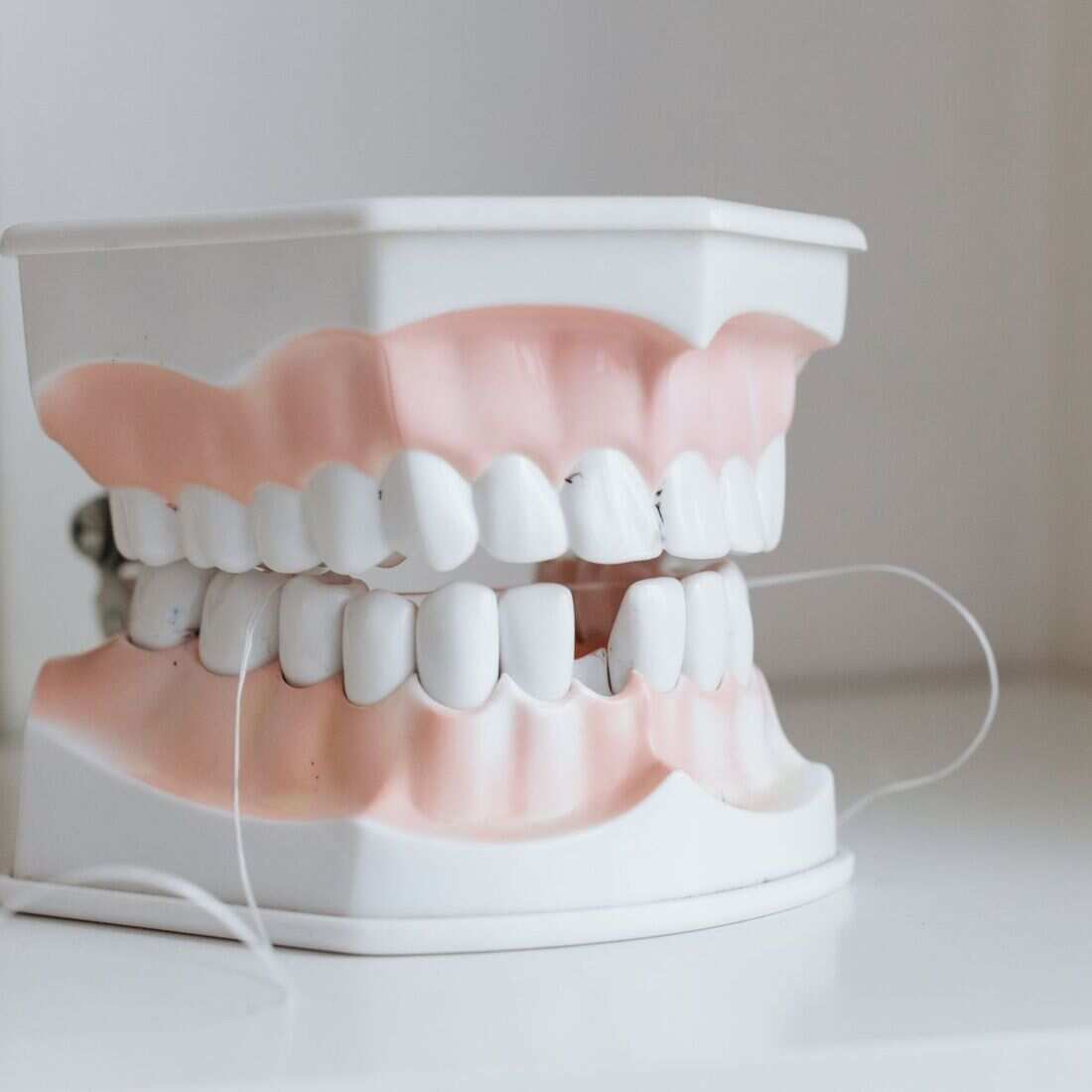
Dentures are removable replacement teeth made from an acrylic base, sometimes combined with a metal framework for added strength. Complete dentures replace all of the teeth in an arch, while partial dentures fill in gaps where some natural teeth remain. Conventional dentures are placed after gum tissue has healed, while immediate dentures are placed the same day teeth are removed — and dentures can also be stabilized with implants for a more secure, comfortable fit.
Why Choose Dentures
-
Restores your ability to chew and speak clearly after losing several or all of your natural teeth.
-
Supports your facial muscles and lips, which can sag once teeth are no longer there to hold them up.
-
Custom-fitted to your mouth, so they feel more secure and look more natural than an off-the-shelf option ever could.
-
Offers a removable option for tooth replacement, which some patients prefer for cleaning and cost reasons.
-
Can be paired with dental implants down the road if you want a more stable, permanent fit.
Is Dentures Right for You?
Dentures are typically a good option for patients who are missing most or all of their teeth in an arch, whether that's due to decay, gum disease, or injury.
-
You're missing all of your natural teeth in the upper arch, lower arch, or both.
-
You have several missing teeth in one arch and want a removable way to fill the gaps (partial dentures).
-
Your gum tissue has healed following extractions, or you're planning ahead for extractions and want same-day teeth (immediate dentures).
-
You have enough jawbone to support implants and want a denture that snaps securely into place (implant-stabilized dentures).
During your consultation, we'll talk through your situation and help you decide which type of denture makes the most sense for you.
Your Options
Complete Dentures
A complete denture replaces every tooth in an arch, resting directly on the gums. It's typically placed after any remaining teeth have been removed and the tissue has had time to heal.
Partial Dentures
A partial denture fills in the gaps left by missing teeth while your remaining natural teeth stay in place. It usually attaches with clasps and can be taken out for cleaning.
Immediate Dentures
Immediate dentures are placed the same day your teeth are removed, so you're not without teeth during healing. Because your gums will change shape as they heal, these often need adjustments or a reline later on.
Implant-Stabilized Dentures
This option anchors a denture to a small number of dental implants placed in the jawbone, giving it a more secure hold than a denture that rests on the gums alone. It's a good middle ground for patients who want more stability without a full set of implant-supported teeth.
What to Expect
- 1
Consultation & Impressions
We'll examine your mouth, discuss which type of denture fits your needs, and take impressions and measurements to start the fabrication process.
- 2
Fabrication
Your dentures are custom-made to match the shape of your mouth and the color of natural teeth, so the fit and appearance are tailored to you.
- 3
Fitting & Adjustments
Once your dentures are ready, we'll check the fit and bite and make any adjustments needed for comfort before you leave with them.
- 4
Follow-Up Care
We'll see you for follow-up visits to fine-tune the fit as your mouth adjusts, especially in the first few weeks.
Paying for Your Care
Cost varies based on your specific treatment plan, and we're happy to walk through your options before you commit to anything. We work with most major insurance plans and offer payment arrangements to help make care manageable.
See Financial & Insurance Information →Aftercare & Maintenance
-
Remove and rinse your dentures after eating, and brush them daily with a denture-specific cleaner to keep them free of buildup.
-
Give your gums a break by leaving your dentures out for part of each day or overnight, as your dentist recommends.
-
Store dentures in water or a denture-soaking solution when they're not in your mouth so they don't dry out or warp.
-
Keep up with regular checkups so we can monitor fit and comfort — your jawbone and gums change shape over time, and dentures may need a reline or adjustment along the way.
Why Choose Waterford Dental Associates
Decades of Experience
Dr. Vincent Cianciulli and Dr. Jacqueline Rossi bring decades of combined clinical experience to every appointment.
Comprehensive Family Care
From preventive checkups to specialized treatment, your whole family's care can stay in one convenient Waterford location.
Individualized Treatment Planning
There's no one-size-fits-all approach here — every treatment plan is built around you.
A Comfortable Visit
A friendly atmosphere and a long-tenured team who know our patients well, visit after visit.
Frequently Asked Questions
How long does it take to get used to wearing dentures?
Most patients need a few weeks to adjust to how dentures feel, especially when it comes to eating and speaking. It's common to notice increased saliva or a bit of soreness at first.
Starting with softer foods and practicing speech out loud can help the adjustment go more smoothly. If irritation continues past the first couple of weeks, let us know so we can check the fit.
Will dentures affect how I eat or talk?
At first, you may notice some changes in how food feels or how certain words sound. This is normal and tends to improve as your muscles and tongue adjust to the new fit.
Cutting food into smaller pieces and chewing slowly on both sides of your mouth can make eating easier while you get used to them.
How long do dentures last, and will they need to be replaced?
Dentures don't last forever. As your gums and jawbone naturally change shape over the years, the fit can loosen, which is why relines or a new set are sometimes needed.
We'll check the fit at your regular visits and let you know if an adjustment, reline, or replacement makes sense.
What is a denture reline, and when do I need one?
A reline adjusts the fit of your existing denture to match changes in your gums and jawbone, rather than replacing the whole appliance. It's a normal part of caring for dentures over time.
If your denture feels loose, shifts while eating or talking, or causes new irritation, it's worth having us take a look.
Can I switch from a regular denture to an implant-stabilized one later?
In many cases, yes. If you start with a conventional or immediate denture and later decide you'd like a more secure fit, implants can sometimes be added to anchor your existing denture.
Whether this is a good option depends on your jawbone and overall oral health, so it's something we'd evaluate together at a visit.
Ready to Schedule Your Visit?
Book online in minutes, or give us a call — we're happy to help.